
What a great idea – a neighborhood garden run wholly by volunteers where people and kids can help themselves to the fruits and veggies. It not only beautifies what would have been unused municipal land but creates a useable output as well. The Beacon Hill Food Forest takes the Seattle wide P-Patch Community Garden project a step further in size and by incorporating gardening based on a woodland ecosystem.
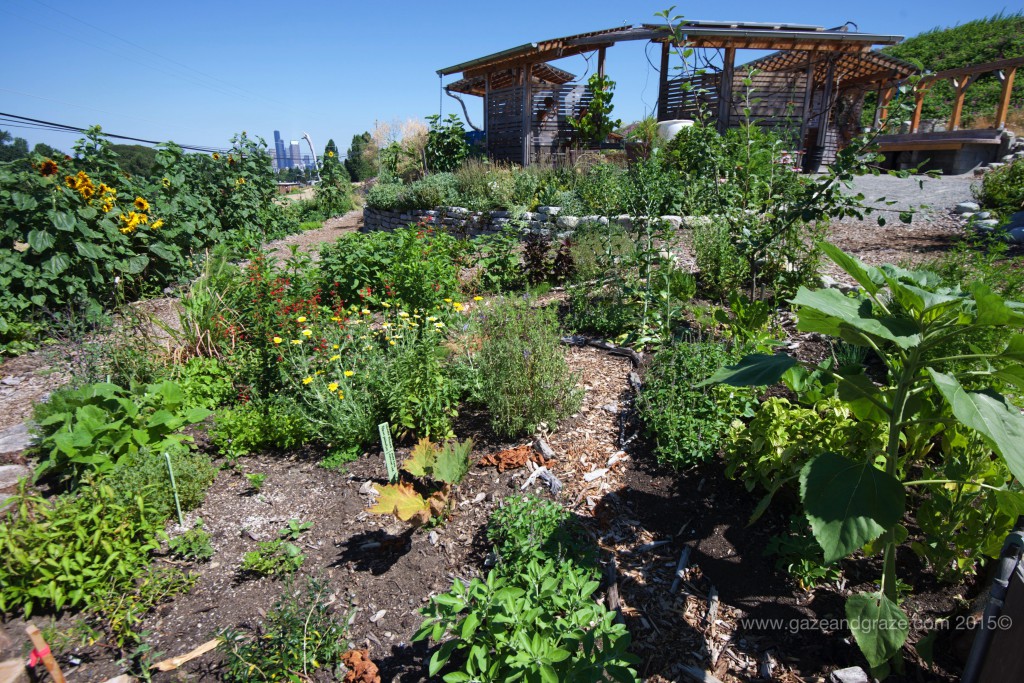
My friend Ross and his friend Brad (aka Kenji) introduced me to the Beacon Hill Food Forest (“BFF”), a garden two years in the making on the slopes behind Jefferson Park. I spent part of my childhood in Beacon Hill, going to first and second grades at Kimball Elementary School and I remember picking wild berries in the bushes behind my grandparents’ house. I was a bit sad when those bushes were cleared to make way for new homes so I think it’s great to have this garden where kids can pick berries in their neigborhood again.
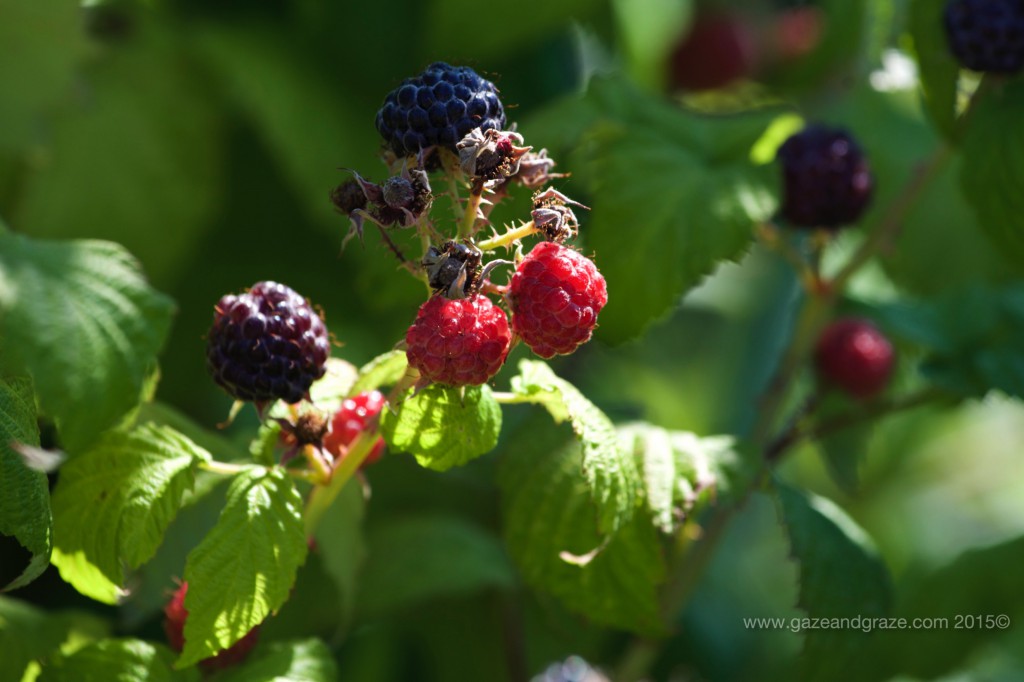
BFF is unique from some of the other P-Patch gardens in that this is a large scale urban project that will eventually cover seven acres using sustainable gardening techniques. The garden consists of berry bushes, fruit trees and vegetable patches. It has its own bee hives to help pollinate the plants and to make honey. It also has its own compost stations. There is a large variety of plants and as nature takes over, the layout will continue to morph as the plants naturally expand. The first 1.75 areas is what I visited and photographed here.
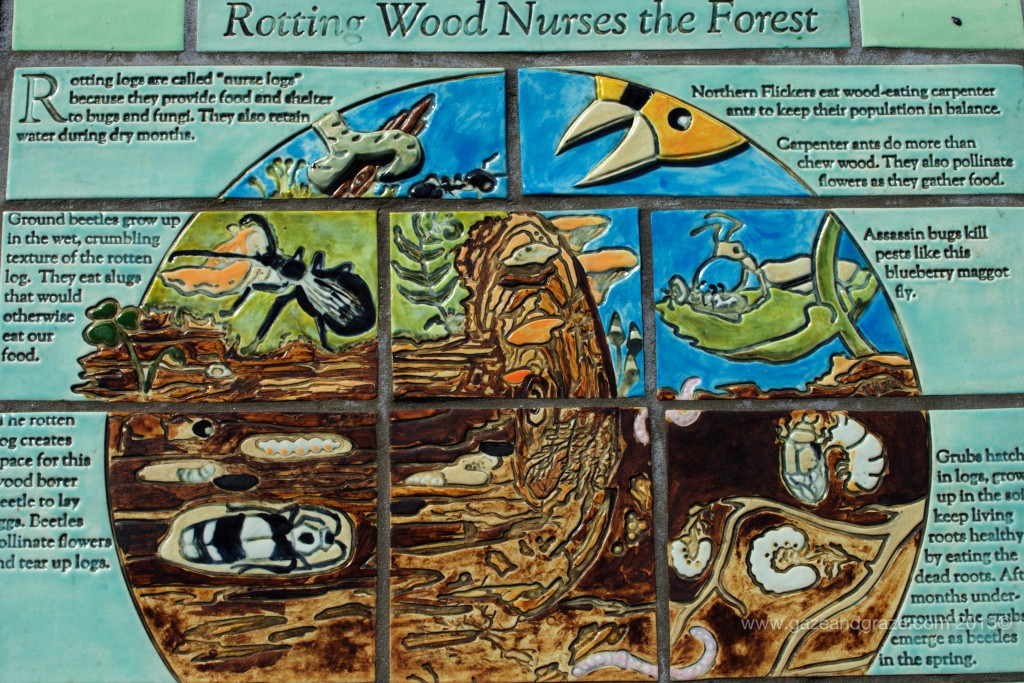
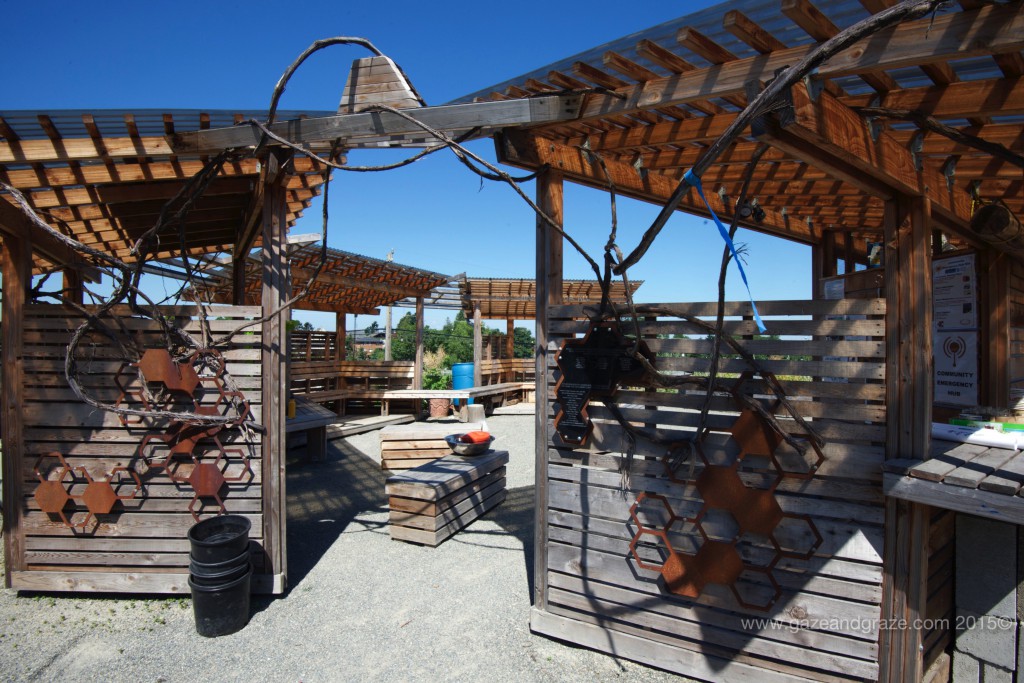
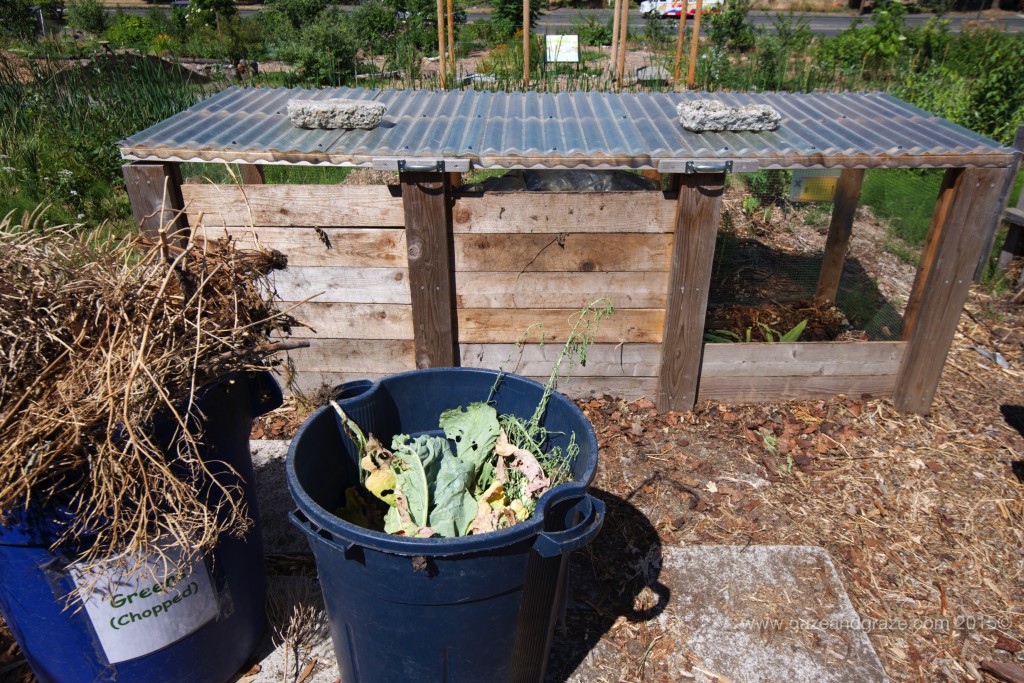
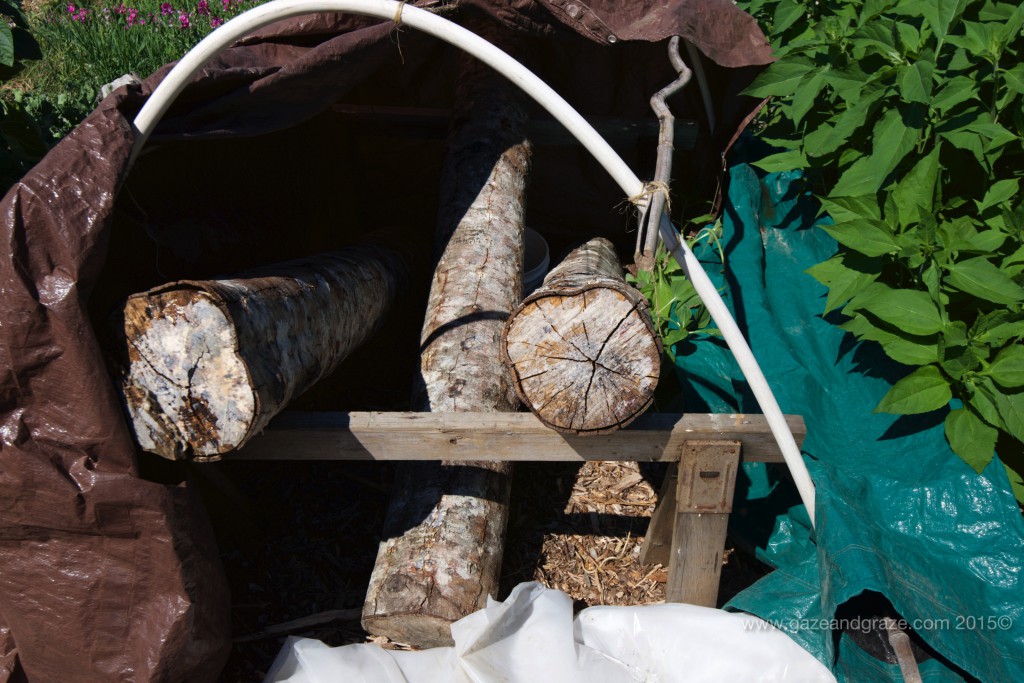
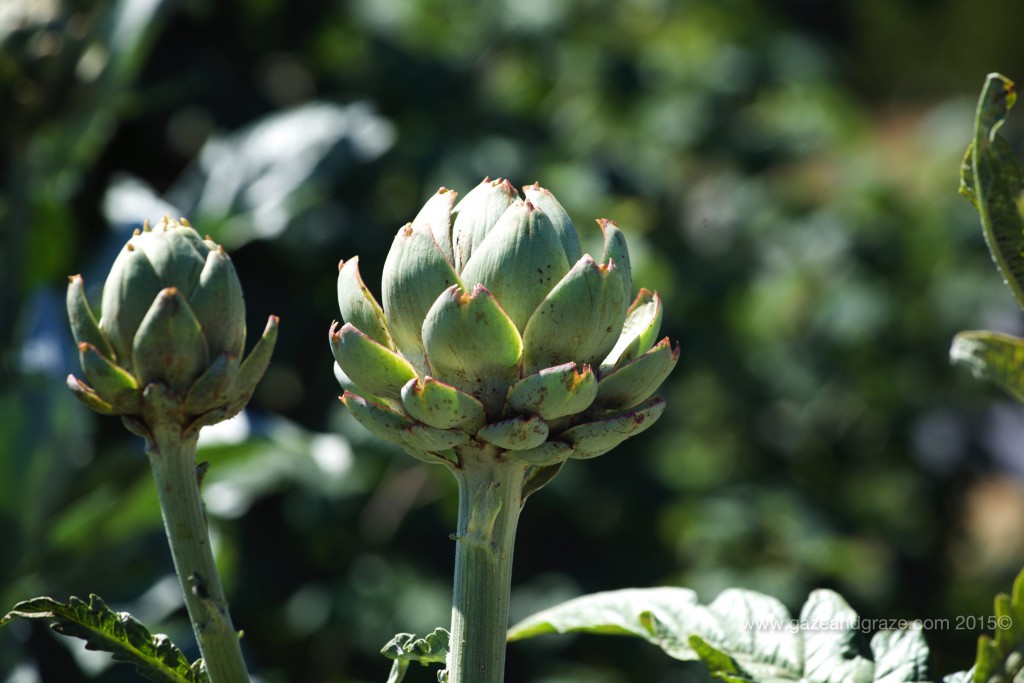
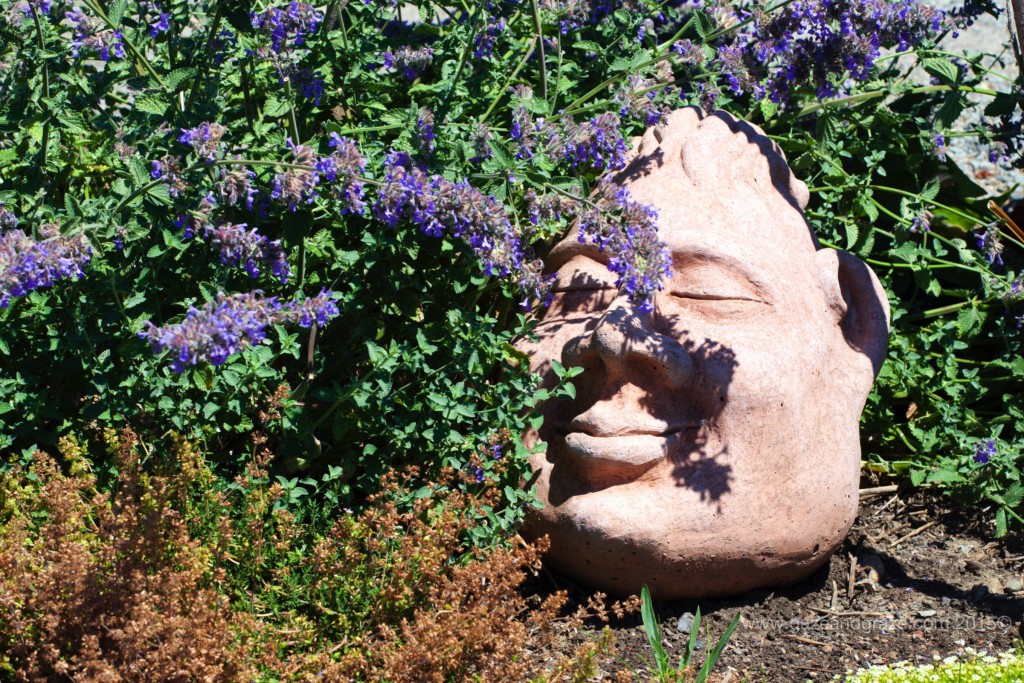
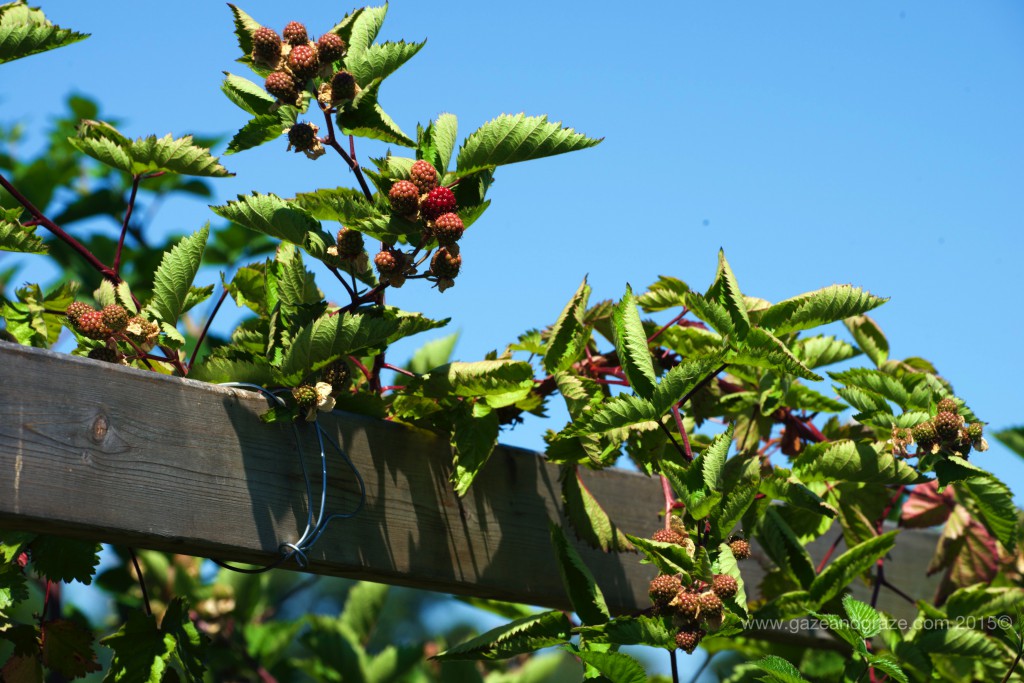
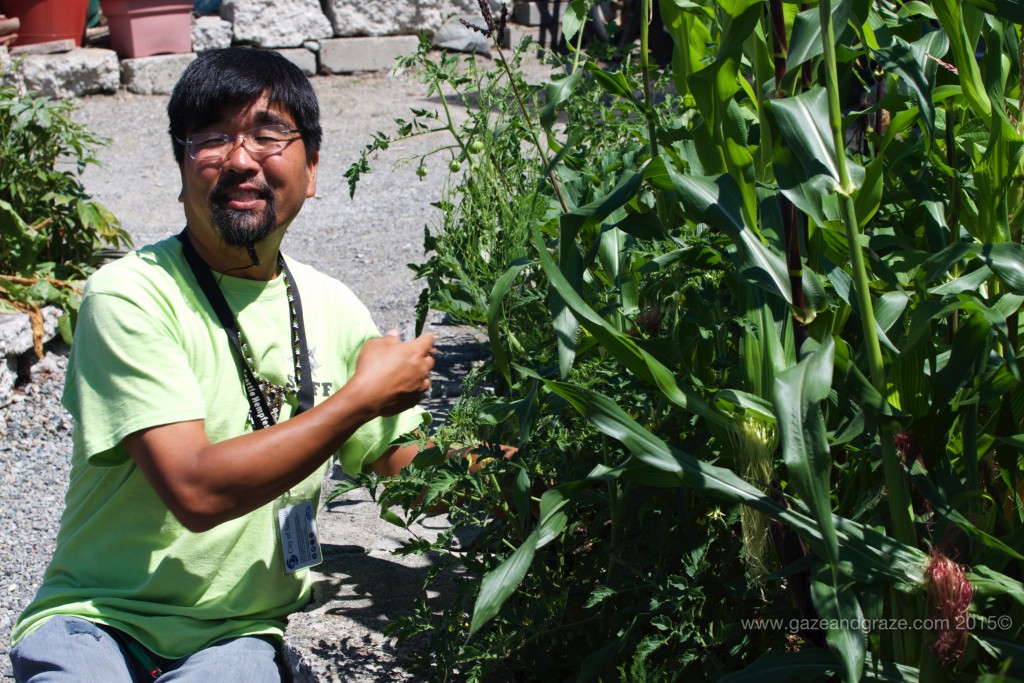
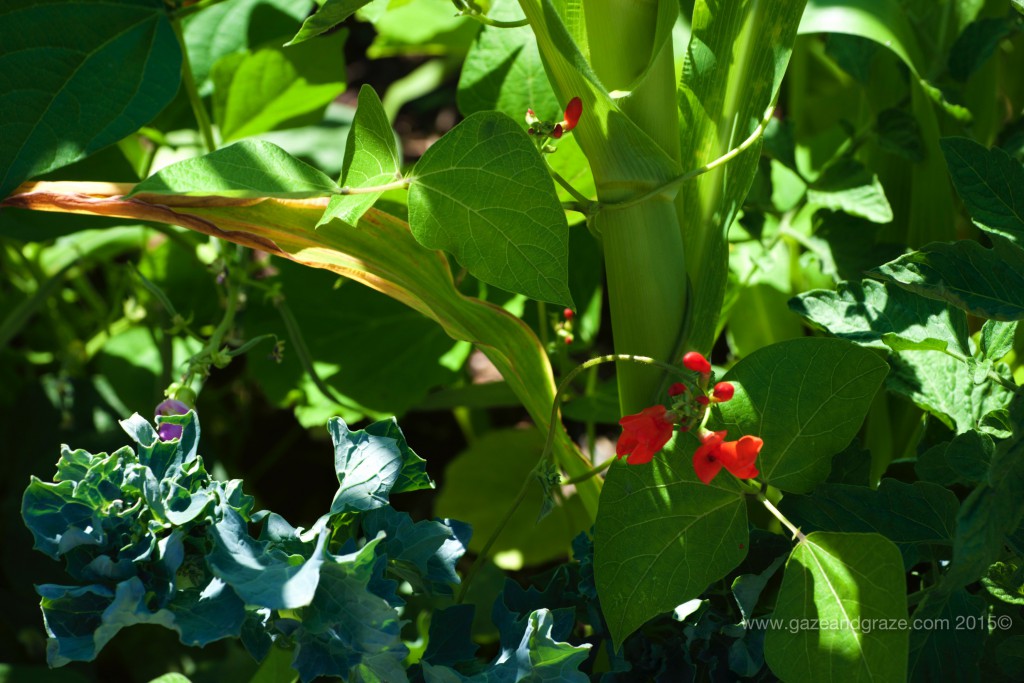
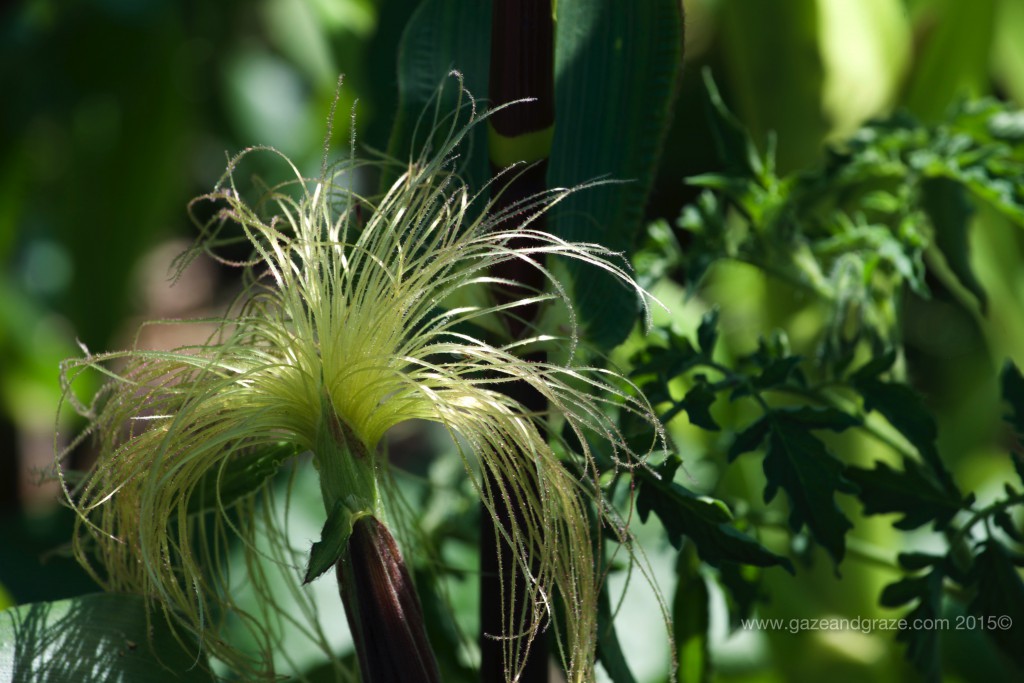
BFF has inspired ideas for similar urban rehab projects globally and it would be great if we could see one in places like Singapore. Not only does it make better (and prettier) use of untapped municipal spaces but this is also one way for some to escape soaring food prices – BFF has areas for harvesting where anyone can come pick berries or other fruits and herbs. It has become an attraction for kids to come learn about the environment as well. I tried some of the pesticide free berries and can attest to how sweet they are.
For more info on BFF: http://www.seattle.gov/neighborhoods/p-patch-community-gardening/p-patch-list/beacon-food-forest